The Fear of Falling Can Become a Fall Risk-How to Break the "Fear Cycle"
The Fear of Falling Can Become a Fall Risk
Many older adults worry about falling, and that fear is understandable. A fall can be frightening, painful, and life-changing. But what many people do not realize is that the fear of falling can sometimes become part of the problem.
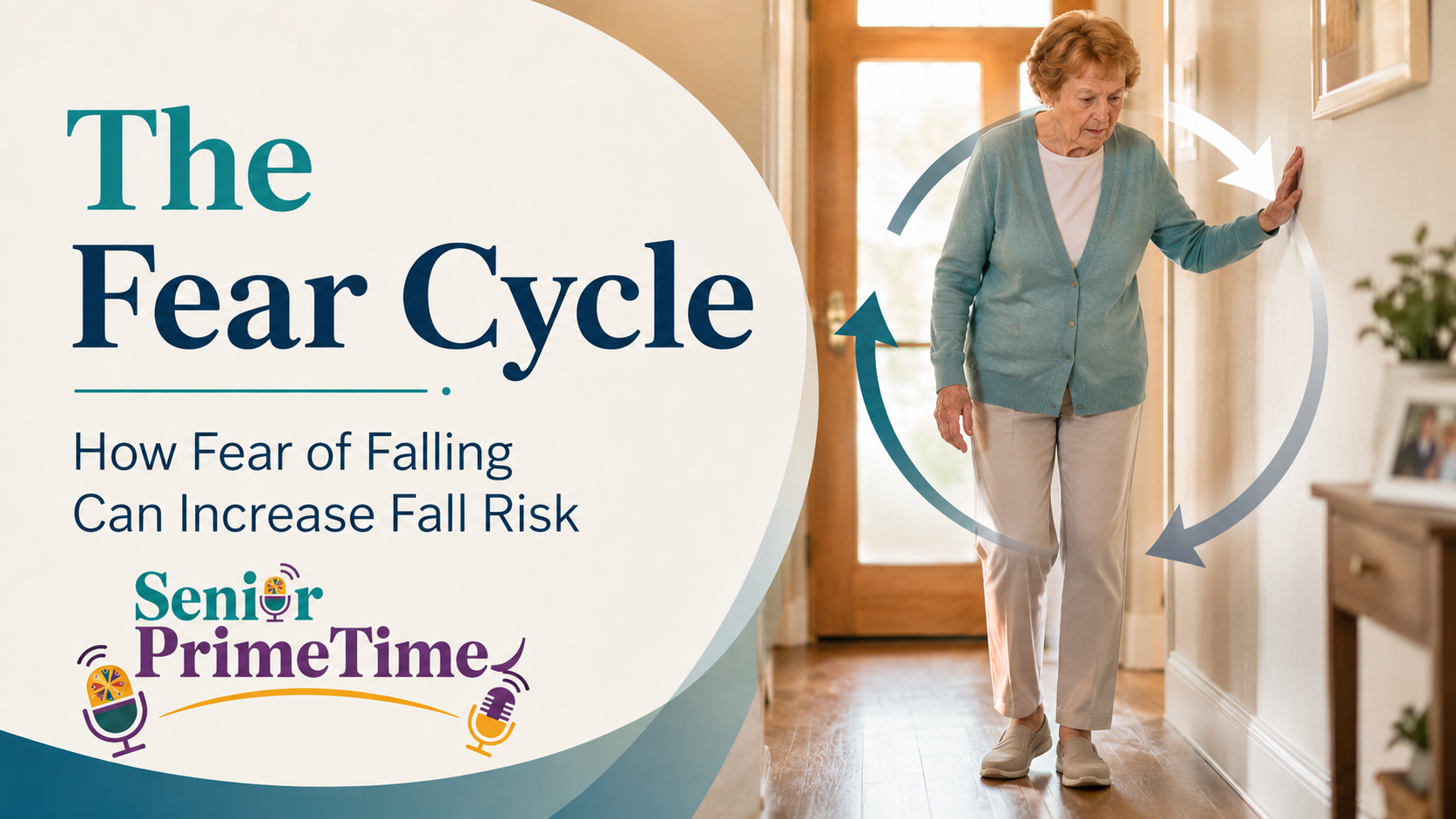
This is often called the fear cycle.
After a fall, a near fall, or even a moment of feeling unsteady, a senior may begin to move more cautiously. They may walk slower, shuffle their feet, look down at the floor, avoid stairs, avoid exercise, or stop doing activities they once enjoyed. At first, these changes may feel like a way to stay safe.
But over time, moving less can lead to weaker muscles, poorer balance, reduced flexibility, and less confidence. That loss of confidence can create even more fear. And the more fear takes over, the more likely it becomes that a person may actually be at greater risk of falling.
That is the danger of the fear cycle.
Fall prevention is not just about removing hazards from the home, although that is very important. It is also about helping older adults rebuild trust in their bodies. Strength, balance, posture, mobility, and confidence all play a role in staying steady and independent.
For seniors, family caregivers, and adult children, this is an important conversation. If someone you love has become afraid of falling, pay attention to the signs. Are they avoiding movement? Are they walking with their head down? Are they shuffling instead of taking confident steps? Are they saying no to activities because they are afraid they might fall?
These small changes can be warning signs that fear is beginning to limit their life.
The good news is that the cycle can be interrupted. With the right support, safe movement, proper guidance, balance exercises, strength training, physical therapy when needed, and encouragement from family or caregivers, many seniors can begin to feel stronger, steadier, and more confident again.
Aging well is not about pretending that fall risk does not exist. It is about understanding the risks and taking practical steps to reduce them.
At Senior PrimeTime, we believe conversations like this matter because they help seniors and families recognize issues early, ask better questions, and make informed decisions about health, safety, independence, and quality of life.
If you or someone you love is afraid of falling, do not ignore that fear. Talk about it. Learn from it. And take action before fear becomes the very thing that increases the risk.
Watch the Senior PrimeTime Short on the fear cycle and share it with someone who may need this reminder.
This content is for educational purposes only and is not a substitute for medical advice. If you or a loved one has experienced a fall, balance problems, dizziness, weakness, or difficulty walking, speak with a qualified healthcare professional.