Robin Williams’ Estate-Planning Mistake: A Warning for Every Family
Robin Williams’ Estate-Planning Mistake: A Warning for Every Family
Robin Williams had an Estate Plan, so why did his family end up in court?
Robin Williams was a beloved actor and comedian who brought joy to millions. He was also a careful planner who created an estate plan intended to provide for his wife and children.
Yet after his death in 2014, his family became involved in a painful legal dispute.
The problem was not that Robin Williams failed to create an estate plan. The problem was that some of the language describing his personal belongings was open to different interpretations.
His story offers an important warning for every family: having a will or trust may not be enough. Your instructions must also be specific.
The Estate-Planning Mistake That Created Conflict
Robin Williams reportedly left certain personal property—including clothing, jewelry, awards, photographs, collectibles, and memorabilia—to his three adult children.
His widow, Susan Schneider Williams, was provided with the home they shared and its contents.
That created a difficult question: What happened when an item inside the home could also be considered memorabilia, jewelry, or part of one of Williams’s personal collections?
The disagreement involved items such as watches, bicycles, photographs, clothing, awards, and other possessions with financial or emotional value.
His widow and children interpreted the estate-planning documents differently, and the disagreement moved into court before eventually being settled.
The conflict illustrates a crucial point: words such as “memorabilia,” “jewelry,” “personal effects,” and “household contents” may sound clear when an estate plan is written—but family members may understand them very differently after someone dies.
Families Don’t Always Fight Over Money
Many people assume that inheritance disputes are primarily about houses, investments, or large sums of money. In reality, some of the most emotional disagreements involve ordinary personal possessions.
A wedding ring, watch, photograph, painting, doll, piece of furniture, family recipe, or holiday decoration may have little financial value but enormous sentimental meaning.
One child may remember being promised a particular possession. Another family member may believe the item belongs with the surviving spouse. If those wishes were never documented, the disagreement can quickly become personal.
Families may then spend thousands of dollars arguing over an object that might sell for very little at a garage sale.
Blended Families Require Extra Planning
Estate planning can be especially complicated when someone has children from a previous relationship and a current spouse.
A parent may want to provide financial security and a home for the surviving spouse while also preserving personal possessions and family assets for the children. Those are reasonable goals—but the documents must explain exactly how those wishes should be carried out.
Important questions include:
* Which possessions should remain with the surviving spouse?
* Which items should go to the children?
* Does the location of an item affect who receives it?
* Who pays the ongoing expenses for a home?
* Who decides whether something is memorabilia, jewelry, artwork, or an ordinary household item?
* What happens if two people want the same possession?
The more specific the instructions are, the less room there is for misunderstanding.
How to Protect Your Family
You do not need to own a celebrity-sized estate to benefit from this lesson. Every family has possessions connected to memories, relationships, and personal history.
Consider taking these steps:
Create a personal-property list
Identify meaningful possessions and clearly state who should receive each one. Ask an estate-planning attorney whether your state allows this list to be incorporated into or referenced by your will or trust.
Use specific descriptions
Instead of writing “my jewelry,” describe the individual item: “my gold wedding ring with the engraved date” or “my mother’s pearl necklace stored in the bedroom safe.”
Include photographs
Photographs can help distinguish items that might otherwise be confused. Label each image with the intended recipient’s name.
Discuss your wishes
A conversation cannot replace properly prepared legal documents, but explaining your decisions may prevent surprises and resentment.
Review your plan regularly
Update your estate plan after a marriage, divorce, death, relocation, major purchase, or significant change in family relationships.
Work with a qualified attorney
Estate and probate laws vary by state. An experienced estate-planning attorney can identify ambiguous language and help ensure that your documents work together properly.
The Most Important Lesson
Robin Williams appears to have put considerable thought into his estate plan. Nevertheless, uncertainty over the meaning of certain words contributed to a public and painful family conflict.
Your possessions tell the story of your life. If a particular item matters to you—or to someone you love—do not assume your family will automatically know what you wanted.
Write it down. Be specific. Review it regularly.
Clear planning today can protect your wishes, preserve family relationships, and spare the people you love from unnecessary uncertainty, expense, and heartache tomorrow.
---
**Watch the Senior PrimeTime Short:** *Estate Plan Disaster: Robin Williams’ Costly Mistake*
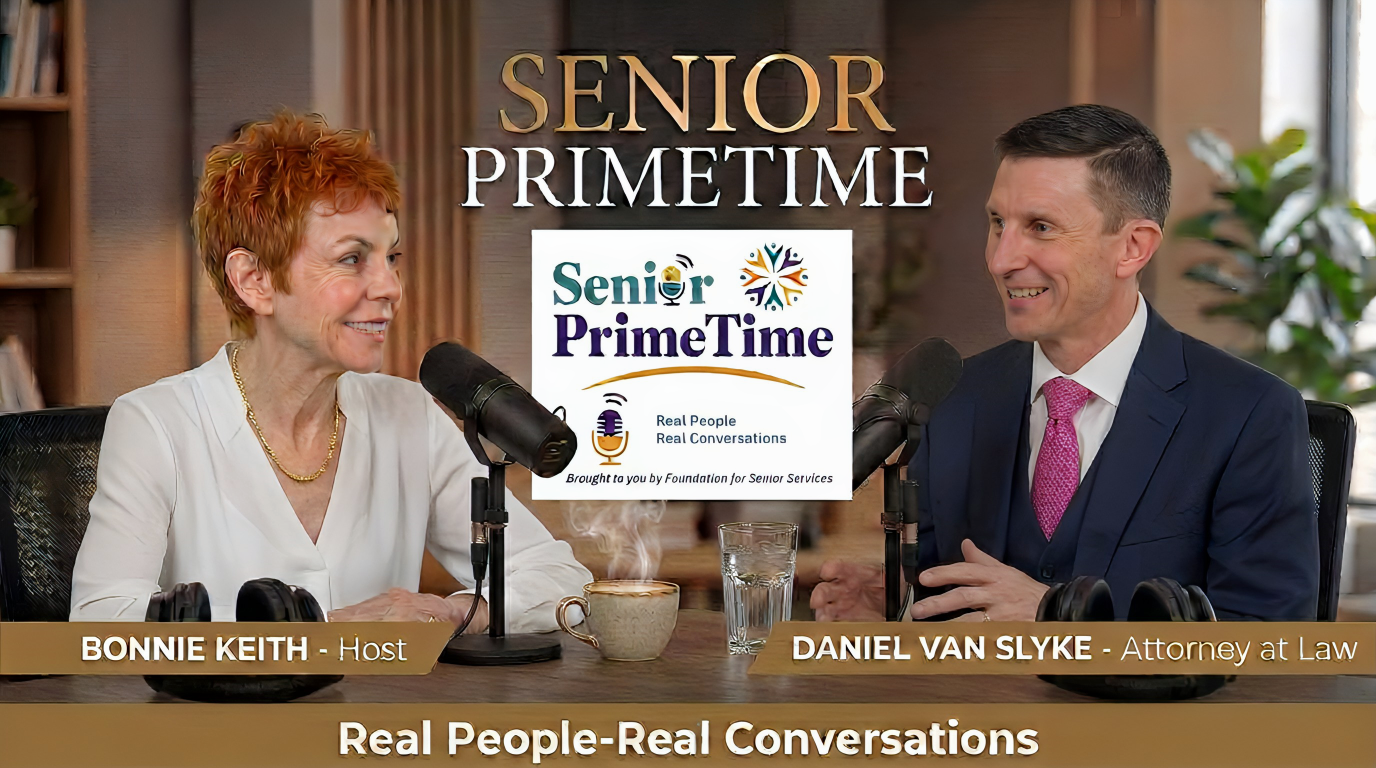
Senior PrimeTime brings you real people and real conversations about aging well, senior health, financial wellness, independent living, retirement, and the issues that matter most to older adults and their families.
*This article is provided for general educational purposes only and is not legal advice. Estate and probate laws vary by state. Consult a qualified estate-planning attorney regarding your individual circumstances.*
Robin Williams had an estate plan, yet unclear instructions led to a family dispute. Discover the important estate-planning lesson every family should know.
Robin Williams estate plan, estate-planning mistakes, inheritance disputes, blended-family estate planning, personal-property inheritance, wills and trusts, celebrity estate battles, probate disputes, estate planning for seniors